Email is a strange mix of data and emotion.
That’s why the debate between ChatGPT and human writing is worth having — not as a trend, but as a question of efficiency and depth.
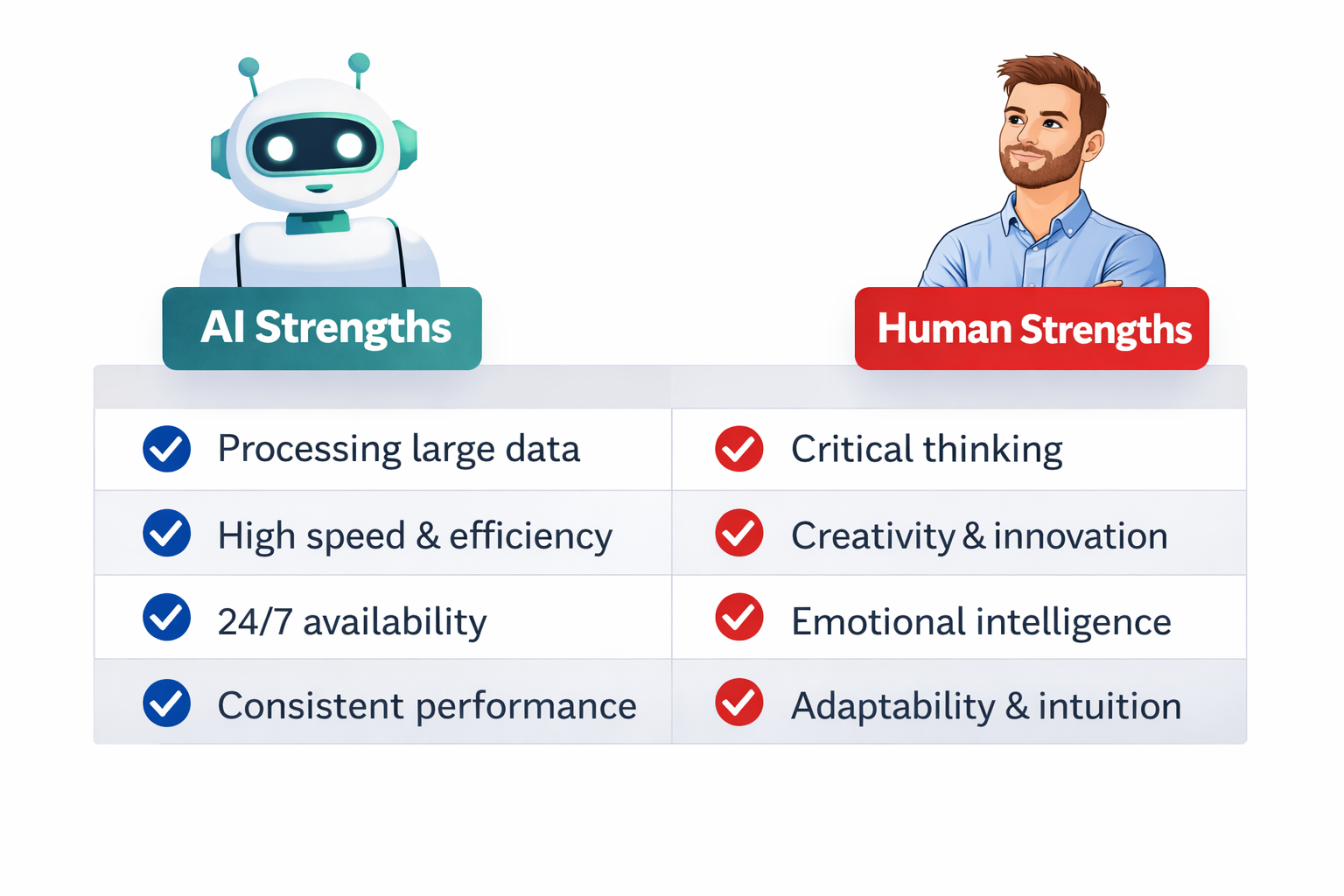
At Shawfire Media, we’ve worked with both. The pattern is clear: AI saves time, humans create meaning. The best results come when both work together.
ChatGPT is fast. It writes, formats, and tests ideas in seconds.
It can produce a clear draft and structure a flow without losing momentum.
But it depends on what you feed it. Without clear context, it writes from averages — and averages rarely move people.
Humans bring instinct. They hear tone in customer feedback, feel what fits a brand, and understand the subtle difference between persuasion and pressure.
But humans tire, repeat patterns, and often work from memory rather than data.
Used together, they cover each other’s weaknesses. AI handles the repetition. Humans handle the resonance.
People buy through emotion before they justify with logic.
That hasn’t changed. What has changed is how we access the data behind those emotions.
AI can process thousands of reviews or message replies in minutes, spotting emotional triggers like hesitation, excitement, or trust.
But it can’t understand the story behind them — that still takes a person.
Blending the two means your emails read with empathy and perform with precision.

AI-Only Version
“We’ve missed you! Use this code for 10% off your next purchase.”
It’s fine — quick, functional, but surface-level.
AI + Human Version
“Hey {{first_name}}, {{founder_name}} here. It’s been some time since your last order, so I wanted to check something with you…
Was there something that didn’t meet your expectations from your last order, or has your routine simply changed?
If there’s anything I can improve for you, reply directly — I try to read every message.
As a thank-you for trusting us, here’s 10% off your next order.”
This version has patience. It reflects care & has a human touch.
The human provides the story. The AI shapes it with structure.
Working with AI is like onboarding a new team member. It learns by example.
To get meaningful output, you have to guide it properly.
That balance is where most brands find the compound gain — speed without losing tone.
The biggest mistake isn’t poor writing — it’s poor prompting.
AI doesn’t understand your brand unless you show it.
Expecting it to guess your goals leads to generic output.
But when trained well, it becomes a quiet workhorse — always ready, always consistent.
At Shawfire Media, we use both.
AI helps us move fast and stay consistent. Humans keep the message grounded and real.
That combination lets our clients send emails that perform with precision but still sound like they came from someone who cares.
If you’d like to see how we build systems like this, subscribe to our mailing list or connect with Jack Shaw on LinkedIn to stay in the loop.
See how AI and human strategy can work together to drive better opens, clicks, and conversions.